
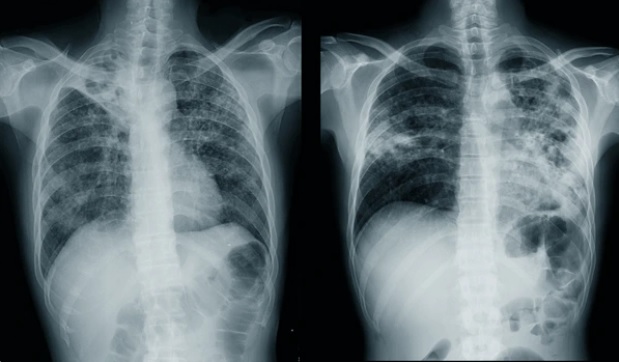
The human body has many organs, but there are some organs with which no compromise should be made. Among all these organs, the lungs play a very important role. If a person develops problems in the lungs, their quality of life gradually decreases day by day.
In cases of pneumonia, the lungs become infected. Because of this infection, a person faces serious difficulty in breathing.
It is a serious lung infection in which the air sacs in one or both lungs become inflamed and may fill with fluid or pus. Because of this, breathing becomes difficult and oxygen supply to the body can reduce.
How to Stay Safe from Pneumonia
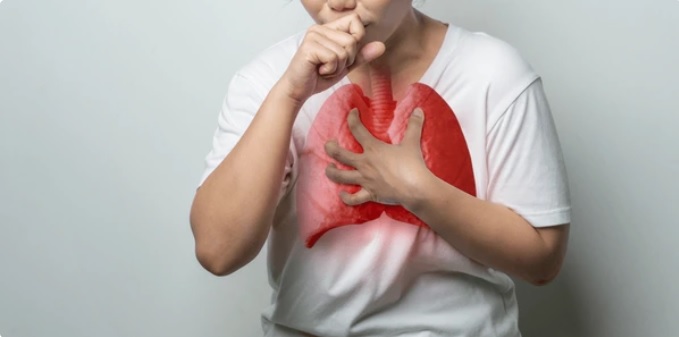
Most diseases in humans are generally caused by infections, which people often do not notice in the beginning. By the time a person becomes aware of the problem, they may already be affected by the disease. That is why it is very important to be conscious of one’s health from an early stage and take proper care. In general, staying alert and taking preventive measures helps protect the body from infections.
Pneumonia can be caused by:
- Bacteria (most common)
- Viruses
- Fungi
- Sometimes by inhaling food, liquid, or chemicals into the lungs
When Should a Person Stay Alert?
If a person stays alert and attentive to their health, many diseases can be prevented from affecting them. Therefore, a person’s first priority should be to remain health-conscious and aware. There are certain symptoms which, if noticed early and handled with proper caution, can help a person avoid serious health risks and feel more secure about their well-being.
- Fever and chills
- Cough (often with mucus or phlegm)
- Shortness of breath
- Chest pain while breathing or coughing
- Fatigue and weakness
- In children or older adults: confusion, fast breathing, or bluish lips
Who Is More Likely to Get Pneumonia?
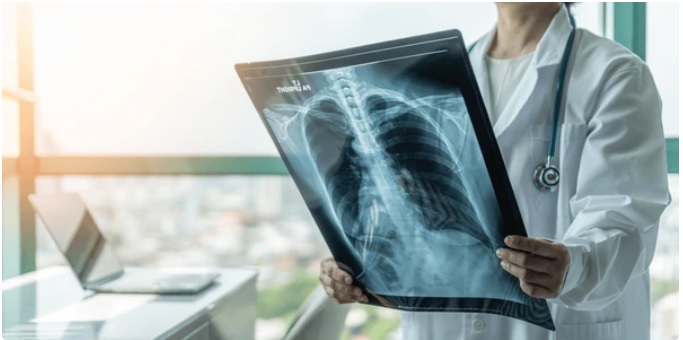
Generally, people who already have lung-related problems become the first victims of this disease. Along with this, people who smoke heavily also need to be very cautious in such situations. Pneumonia can be very dangerous for young children and elderly people. However, if a person remains alert and takes proper precautions, they can protect themselves from this disease.
- Children below 5 years and adults above 65 years
- People with weak immunity
- Smokers
- Patients with diabetes, asthma, heart disease, or lung disease
How to Prevent Pneumonia
For any disease, proper treatment is very important to stay safe. If a person takes the right treatment and consults a doctor on time, they can recover and protect themselves from serious health problems.
- Bacterial pneumonia: treated with antibiotics
- Viral pneumonia: usually supportive care (rest, fluids, medicines)
- Oxygen therapy or hospitalization may be needed in severe cases
Prevention tips
- Get vaccinated (flu vaccine, pneumonia vaccine)
- Wash hands regularly
- Avoid smoking
- Maintain good nutrition and immunity
Important: If someone has high fever, difficulty breathing, chest pain, or symptoms are getting worse, consult a doctor immediately. Pneumonia can be life-threatening if not treated on time.
