
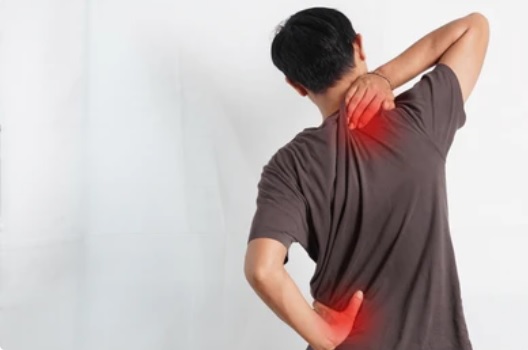
Symptoms of Body Aches
The human body is made up of blood, bones, and muscles. If a person works or performs any activity according to their body’s capacity, then it is perfectly fine. But if they push themselves beyond that limit, it can lead to body aches. That is why a person should always remember not to do anything that exceeds their physical capacity. However, if they gradually make their body habitual to certain activities, then the body adjusts and becomes fit for them. The human body is like a small child—whatever routine you give it, it adapts in that way. Therefore, one should always keep in mind to do only as much as the body can comfortably handle. When someone has body aches, they may notice several different signs throughout the body:
Full-body discomfort
The symptoms of body aches usually begin with your entire body feeling weak, along with a deep sense of tiredness. You start to feel as if your whole body is filled with exhaustion, which often leads to irritation and moodiness. You don’t feel like doing any work, and your mind feels completely blank or numb.
A general feeling of pain or soreness spreads across the muscles. It may feel like the entire body is tired, weak, or strained.
Muscle stiffness
Whenever there is any kind of pain in the body, whether it is inside or on the outer part of the body, the muscles are the first to get affected. When the muscles experience pain, they either become tight or sometimes slightly swollen. At that moment, a person finds it very difficult to perform any activity because the discomfort becomes too much. The muscles can feel tight, heavy, or difficult to move, especially after waking up or sitting for a long time
Fatigue and weakness
At this time, a person experiences a lot of weakness, which makes them feel extremely tired and irritated. Naturally, when someone feels weak, the energy in their body becomes very low. Because of this, they don’t feel like doing any work or engaging in any activity. Instead, they prefer to be alone and feel the urge to rest. Along with pain, the person may feel extremely tired, low on energy, or unable to perform normal tasks.
Joint pain
At this time, joint pain becomes quite severe. When a person experiences pain from one joint to another, it causes a lot of difficulty, and the person suffers from intense discomfort. Sometimes body aches come with mild or moderate pain in joints like knees, shoulders, elbows, or wrists.
Headache
When a person starts experiencing body pain, the weakness automatically increases their headache as well, and dealing with that headache becomes very difficult. Many people experience headaches along with body aches, especially if it’s due to fever, viral infection, or dehydration.
Fever or chills
If the aches are because of infection (like flu, viral fever, cold), the body may develop fever or shivering.
Sensitivity in the muscles
When the muscles become swollen or feel extremely heavy, even touching them causes pain. During this time, the human body becomes very sensitive, and because of this, if anyone touches any part of the body, it results in significant pain.
Touching the muscles may increase the pain. Even light pressure can feel uncomfortable.
Difficulty in movement
At this time, a person cannot do anything except rest. When the entire body is in pain, resting becomes the only simple way to tolerate that pain. During this period, a person does not feel like going anywhere; even walking becomes painful. They don’t feel like doing any activity because the pain is too much, and all they want is to lie down and rest.
Walking, climbing stairs, lifting objects, or bending may feel painful or tiring.
Sleep problems
When there is pain in the body, sleep does not come naturally. Yes, a person can lie down to rest for some relief, but proper sleep doesn’t come easily. Pain in the body can disturb sleep, causing restlessness at night.
Loss of appetite
Sometimes body pain is accompanied by reduced hunger, especially during fever or viral infections.
