
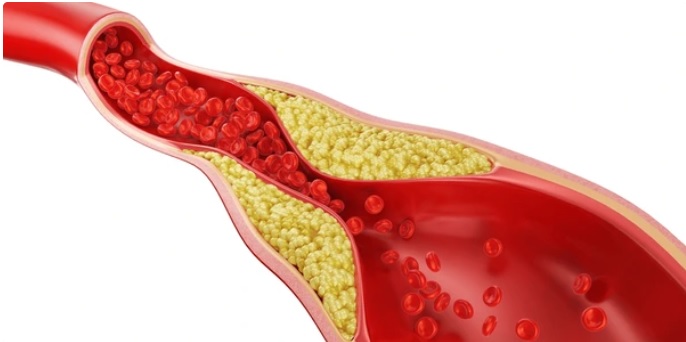
Lowering cholesterol is important for keeping the heart healthy and preventing heart disease. Here are some effective ways to reduce cholesterol levels
1. Eat a Healthy Diet
The more junk food a person eats, the more health problems increase in the body. It can raise cholesterol levels. Therefore, it is very important for a person to stay away from junk food. 🍔
Avoid foods high in saturated fat and trans fat such as fried foods, processed snacks, and fatty meats.
Eat more:
- Fruits and vegetables
- Whole grains
- Nuts and seeds
- Fish rich in Omega-3 fatty acids
2. Exercise Regularly
When a person exercises regularly, their blood circulation improves. When blood circulation is proper, the cholesterol levels are automatically maintained within a healthy range.
Regular physical activity helps increase good cholesterol (HDL) and lower bad cholesterol (LDL).
Try to exercise at least 30 minutes a day, such as walking, jogging, cycling, or swimming.
3. Maintain a Healthy Weight
If a person starts maintaining their weight, many diseases can be prevented. Therefore, a person should always maintain a healthy weight.
Being overweight can increase cholesterol levels. Maintaining a healthy weight helps improve cholesterol and overall health.
4. Avoid Smoking & Limit Alcohol
Smoking damages a person’s blood vessels, and as a result, cholesterol levels can increase.
Smoking lowers good cholesterol and damages blood vessels. Quitting smoking can improve heart health.
A person should always consume alcohol within a limit so that cholesterol levels in the body do not increase. Generally, bad habits such as smoking and excessive alcohol consumption damage the blood vessels, which can lead to an increase in cholesterol levels.
Too much alcohol can increase cholesterol and triglyceride levels. Drink in moderation or avoid it.
5. Reduce Stress
When a person is under stress, the body’s activeness automatically decreases. As a result, blood circulation does not work properly. Along with this, the person may start feeling weak, which can lead to an increase in cholesterol levels.
Long-term stress can affect cholesterol levels. Practicing meditation, yoga, or deep breathing can help manage stress.
6. Get Regular Health Checkups
A person should always get a health checkup every 2–3 months. This helps them understand the status of their blood circulation as well as their cholesterol levels.
Regular blood tests help monitor cholesterol levels. If necessary, doctors may recommend medicines.
Note:- Healthy diet + regular exercise + good lifestyle habits = better cholesterol control.
