

A panic attack generally depends on a person’s emotions and anger. If there is a situation in which a person becomes overly emotional — meaning extremely emotional beyond control — that person may experience what we call a panic attack. It happens suddenly.
Panic attack hum use bhi bol sakte hai ki koi insaan agar jyada dar jata hai tab bhi dark e karana wo panic ho jata hai .
Simply put, it depends on three main things: emotions, anger, and fear. Apart from these, it also matters how a person handles a situation.
In any situation, how a person reacts and how well they control themselves is very important. If a person is not able to control themselves at that moment, they may become panicked because of the situation.
For example, you may have heard people say to someone who is very emotional or very angry, “Don’t panic so much.”
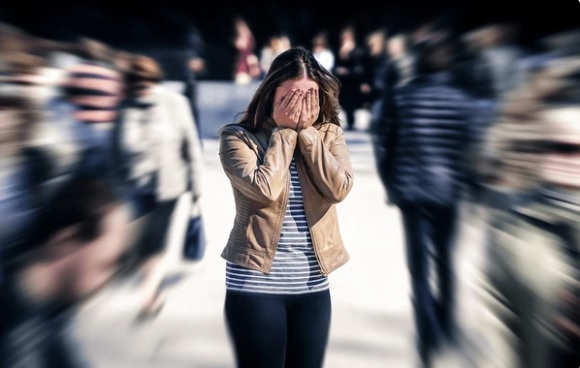
Panic attacks are sudden episodes of intense fear or anxiety that trigger severe physical and emotional reactions, even when there is no real danger. They can come on unexpectedly and often peak within minutes.
Common Symptoms of a Panic Attack:
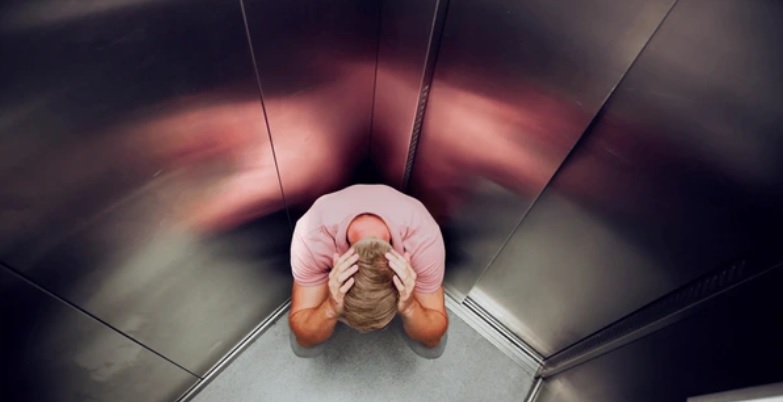
Generally, a panic attack is not a very serious issue. However, if a person experiences it repeatedly, then it is important to consult a doctor immediately and consider therapy.
Below are some common symptoms of a panic attack that can help you understand what a panic attack is.
- Rapid heartbeat or palpitations
- Shortness of breath
- Chest pain or discomfort
- Sweating
- Trembling or shaking
- Feeling dizzy or lightheaded
- Nausea or upset stomach
- Chills or hot flashes
- Feeling detached from reality (derealization) or oneself (depersonalization)
- Fear of losing control or dying
Panic attacks can happen as part of panic disorder, other anxiety disorders, or sometimes even alone. They are physically harmless but can be very distressing.
Management and Treatment of Panic Attack
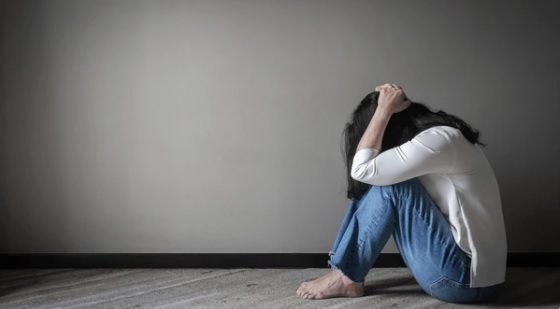
When a person experiences a panic attack, it is very important to consult a doctor immediately. According to the doctor’s advice, they should make the necessary changes in their lifestyle so that they can prevent future panic attacks.
- Breathing exercises and relaxation techniques
- Cognitive Behavioral Therapy (CBT)
- Medication (like anti-anxiety drugs) in some cases
- Lifestyle changes like reducing caffeine, improving sleep, and regular exercise
